Michael J. Fox and Mariska Hargitay Can't Save a Bizarrely Paced Emmys
The Emmys served up massive emotional tributes and unexpected musical moments, but an odd show layout left the broadcast feeling completely off-balance.

15 September 2026 · Reported first by The Hollywood Reporter
The key facts
- Producers packed most award presentations into the first half of the broadcast.
- The second half leaned heavily on extended tributes and emotional segments.
- Michael J. Fox received a massive standing ovation during his on-stage tribute.
- Mariska Hargitay surprised the audience with an unscripted musical performance.
- Critics pointed out the lopsided pacing disrupted the flow of the entire show.
What happened during the telecast
Award show producers have one job: keep the party moving. But the latest Emmy telecast felt like two completely different shows duct-taped together in the middle.
The Hollywood Reporter reviewed the broadcast and pointed out a glaring issue with the pacing. The producers decided to cram almost every actual trophy presentation into the first ninety minutes. Winners got shuffled on and off the stage at breakneck speed. Speech timers blinked aggressively. Nobody had room to breathe.
Then came the back half. Once the trophies dried up, the show ground to a screeching halt to make room for big emotional set pieces, tributes, and musical interludes. The whole thing ended up feeling lop-sided, leaving viewers at home wondering why everyone was suddenly in slow motion.
The Michael J. Fox tribute stole the night
Even with the messy timing, some moments genuinely cut through the noise. The absolute standout was the tribute to Michael J. Fox.
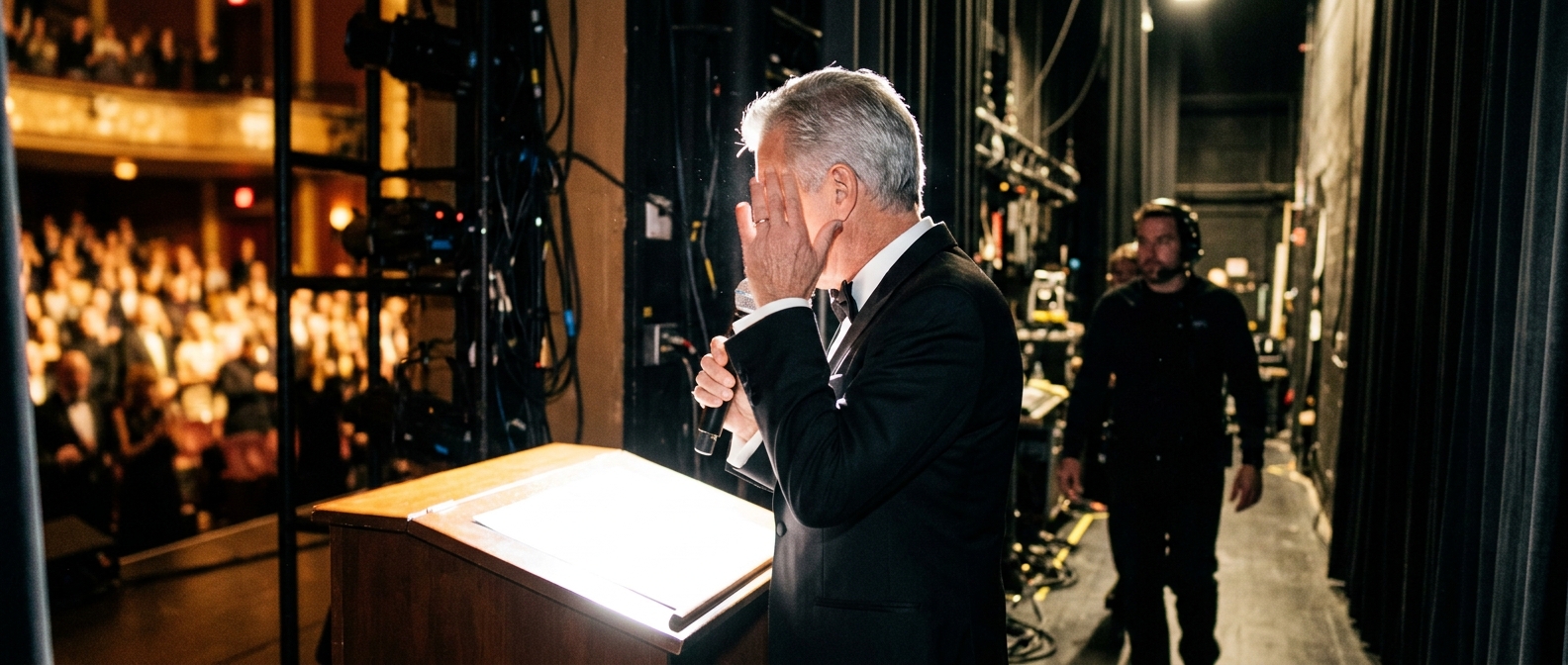
Fox walked out onto the stage to a deafening standing ovation from the entire room. The Hollywood crowd was on its feet before he even made it to the microphone. He looked visibly moved, taking in the love from peers who grew up watching his legendary television and film run.
He delivered his remarks with the trademark dry wit and easy charm he has carried for decades. It was raw, honest, and easily the most memorable beat of the entire evening. In a broadcast full of awkward transitions, Fox reminded everyone why people still tune into these ceremonies in the first place.
Mariska Hargitay's unexpected vocal moment
Then there were the moments nobody saw coming. Enter Mariska Hargitay, who decided the Emmys needed a bit of song.
The Law & Order: SVU icon broke into an impromptu singing performance on stage, catching viewers and audience members completely off guard. It was theatrical, campy, and utterly bizarre in the middle of a primetime broadcast.
Did it fit the tone of the rest of the night? Not really. But let's be honest: seeing television royalty ditch the teleprompter to belt out a tune is why live television is fun. It divided the room, with some laughing along and others wondering what on earth was going on, but Hargitay fully committed to the bit.
Why the broadcast layout felt so weird
So why did the telecast feel so clumsy? It comes down to how the show was built from the ground up.
Usually, producers sprinkle the major category wins throughout the night to keep people hooked until the final envelope opens. This time around, they blew through the hardware early. That meant the actual competition drama vanished well before the broadcast ended.
Filling that back-end space with sentimental montages and tributes threw off the energy. Instead of building toward a dramatic climax, the telecast slowly ran out of steam. It felt less like a celebration and more like a sprint followed by a nap.
How viewers and critics are reacting
Television critics did not hold back. The Hollywood Reporter called out the awkward structure directly, noting that shoving all the awards into the front half created an ungainly, ill-flowing show.
Fans watching along shared the same frustration. Many pointed out that rushing winners through their heartfelt speeches only to burn time later on drawn-out sketches made zero sense. If you cut off a first-time winner after forty seconds, you probably shouldn't spend ten minutes filling dead air an hour later.
Still, the high points kept people talking. Fox's appearance gave the broadcast genuine heart, and Hargitay gave the internet a mountain of memes to chew on for the rest of the week.
What producers need to fix next time
Live awards telecasts are fighting for survival, and clunky structural choices do not help. Viewers want two basic things: real emotion from winners and a show that wraps up on time without wasting twenty minutes on filler.
Next year's team needs to look at what worked and scrap the rest. Give the winners space to talk, spread the major awards across the entire three hours, and let natural charm lead the way. Tributes like the one for Fox prove the show still has a beating heart—producers just need to stay out of their own way.
How it unfolded
First half of show
Producers speed-run through major category awards in rapid succession.
Mid-broadcast
Michael J. Fox takes the stage for a heartfelt tribute that earns a standing ovation.
Late broadcast
Mariska Hargitay breaks into song, surprising the auditorium and viewers.
Following morning
Reviews drop criticizing the telecast's uneven structure and weird pacing.
Why this matters
Award shows are losing linear viewers fast, and uneven telecasts make audiences tune out before the credits roll.
More on
Your questions answered
- What happened to Michael J. Fox at the Emmys?
- Michael J. Fox received an emotional standing ovation while being honoured with a special tribute segment during the broadcast.
- Did Mariska Hargitay really sing at the Emmys?
- Yes, Mariska Hargitay surprised the crowd by breaking into an unexpected singing performance on stage during the telecast.
- Why did critics criticize the Emmy broadcast pacing?
- Critics noted that producers rushed almost all the award presentations into the first half, leaving the second half feeling slow and padded.
- Who reviewed the Emmy telecast structure?
- The Hollywood Reporter published a critique examining the awkward layout and pacing problems of the live broadcast.
- Did winners get cut off early during their speeches?
- Yes, early winners faced tight speech timers because producers crammed the majority of awards into the start of the night.
- Were the major awards spread out through the night?
- No, the broadcast pushed most trophies upfront, creating a lopsided show that lacked suspense toward the end.
- How did the live audience react to Michael J. Fox?
- The auditorium gave Fox an immediate, deafening standing ovation before he even began speaking at the microphone.